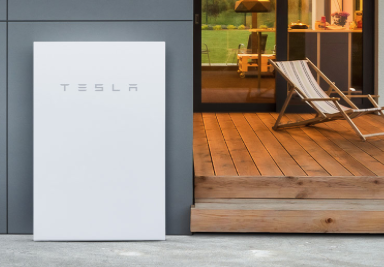
Solar + Batteries make the perfect combination. Best to get them installed as a pair. If I were only able to have 1 I'd go for batteries first. As you can see WHEN you charge your house battery \ EV can make a huge difference to your bill. Charging the house battery at night gives access to night time prices during the day. 1/4 the price !
PV's can divert excess energy to either your hot water tank or your car and possibly both. But speaking from experience-
Buying from the grid at night costs 7p/kWh but I can export solar during the day for 15p therefore its cheaper to charge at night and export as much solar as possible during the day
Charging a car battery 67kWh from a 10kWh battery very quickly kills your house battery. That leaves you at the mercy of high daytime prices.
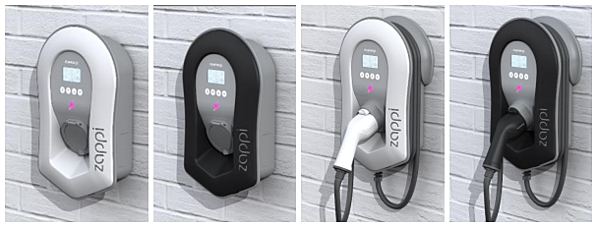
My inverter deliver 5kW max so charging the car on the regular 7kW EV charger draws 5kW from the battery and 2 more expensive kWs from the grid. Some chargers have "Solar Charging" settings such as the Ohme or ZAPPI.
Not sure how many panels you need ? Batteries ? Battery size ? Check out garydoessolar.com it has a awesome online modelling app.
House Battery
Storing electricity in a house battery allows access to the cheapest energy throughout the day. That energy may come from-
Solar on your roof
Cheap night time rate
Excess renewable give away's such as Octoplus free electricity.
Here's my Solis inverter and house battery data for a cloudy winters day. As you can see little to no solar. Making the most of night time (23:30 - 05:30) cheap rate 7p/kWh electricity by charging the cars the house battery, heating, immersion heater & dishwasher. During the depths of winter the battery isn't sufficient to run the heating for long periods and frequently runs out at peak grid times (4:30 - 6:30pm) so I've programmed the house battery to top up 2:00 - 4:00pm so it can take us through the peak grid times. I could have had a larger battery to give cheap heat during the day but it's only a few days a year so not worth the additional expense.
The cost of PVs and house batteries have dropped significantly. Home made electricity is now much more affordable. 8 Panels might cost around £520 10kWh of battery costs around £2000 Plus installation
Solar PV vs Thermal
PV's
Pros
Convert sunlight directly into electricity
Can charge an Electric Vehicle directly
Can charge a house battery directly
Can export to the grid and get paid
Cons
Only 19-25% efficient
Larger roof area required
Storing the energy can be expensive as you need something like a £7000 Tesla power wall.